
Medical Disclaimer: The information in this guide is for educational and informational purposes only and is not intended as medical advice. Always consult with a qualified healthcare professional before beginning a new exercise program, changing your diet, or starting any hormonal or supplement regimen. Individual results may vary, and what works for one person may not be appropriate for another.
The narrative of aging for women is undergoing a radical transformation. For decades, the societal script suggested that post-menopause was a time of “fading away” a period characterized by slowing down, losing physical capability, and accepting a diminished role in active life.
Today, we are tearing up that script. Active aging is not about fighting the clock or chasing eternal youth; it is about optimizing the biological, mental, and social assets we have to ensure that our “healthspan” (the years we live in good health) matches our “lifespan”. For women, this journey is unique, shaped by hormonal shifts, distinct nutritional needs, and a remarkable capacity for resilience.
This guide serves as the foundational pillar for your longevity journey, providing a science-backed roadmap to staying strong, energized, and fiercely independent at 50, 70, and beyond.
Inside This Guide
1. The Biology of Women’s Longevity: Understanding the Shift
To age actively, we must first understand the “why” behind the changes in our bodies. For women, the most significant biological milestone is menopause. The decline in estrogen isn’t just about the end of fertility; it affects nearly every system in the body:
- Bone Density: Estrogen is a key protector of bone mineral density. Its decline accelerates bone loss, increasing the risk of osteoporosis.
- Muscle Mass (Sarcopenia): Women naturally have less muscle mass than men, and hormonal shifts can accelerate muscle wasting if not countered with specific interventions.
- Metabolic Rate: Changes in hormone levels can shift how we store fat (often moving it to the abdominal area) and how we process insulin.
- Cardiovascular Changes: Estrogen helps keep blood vessels flexible. As levels drop, the risk of stiffening arteries and high blood pressure increases.
- The Gut Microbiome: Hormonal shifts also influence gut health, which is foundational for nutrient absorption and immune function.
The Good News: Biology is not destiny. Through targeted movement, nutrition, and lifestyle choices, we can mitigate these shifts and even improve our physiological markers as we age.
2. Strength as Your “Retirement Fund”
If there is one non-negotiable for women’s longevity, it is Resistance Training. Think of your muscle mass as a physical retirement fund; the more you “deposit” now, the more independence you will have later.
Why Strength Training is Vital
As we age, we face a natural decline in muscle mass known as sarcopenia. For women, this is compounded by the loss of estrogen. Strength training does more than just “tone” muscles; it:
- Boosts Metabolism: Muscle tissue is metabolically active, burning more calories at rest.
- Protects Joints: Strong muscles take the load off your knees, hips, and spine.
- Enhances Bone Density: Putting mechanical stress on bones signals the body to produce more bone cells.
- Improves Insulin Sensitivity: Muscle is a primary site for glucose disposal, helping to prevent Type 2 diabetes.
How to Start
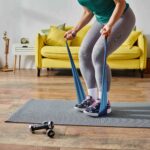
You don’t need to be a bodybuilder to reap the benefits. Aim for two to three sessions per week focusing on compound movements:
- Squats and Lunges: Essential for functional independence, such as getting out of chairs and climbing stairs.
- Push-ups or Chest Presses: Critical for upper body strength and bone density in the wrists and shoulders.
- Rows and Deadlifts: Vital for posture and back health, which often suffers as core strength declines.
- Overhead Presses: Helps maintain shoulder mobility and the ability to reach for items on high shelves.
- Pro Tip: Don’t be afraid to lift heavy. “Toning” is simply building muscle and losing fat. To see real changes in bone density and metabolic health, you need to challenge your muscles with weights that feel difficult by the 10th or 12th repetition.
For a deeper understanding of how physical strength and mobility support long-term cognitive resilience, explore our Essential Guide to Brain Longevity.
3. Cardiovascular Health: The Engine of Energy
Heart disease remains the leading cause of death for women worldwide. Active aging requires a cardiovascular system that can efficiently deliver oxygen to your brain and muscles.
The Power of Zone 2 and HIIT
A balanced longevity cardio plan includes two types of training:
- Zone 2 (Steady State): This is moderate-intensity exercise where you can still hold a conversation (e.g., brisk walking, cycling). It improves mitochondrial efficiency, the “power plants” of your cells and builds a solid aerobic base.
- HIIT (High-Intensity Interval Training): Short bursts of intense effort followed by rest. HIIT is particularly effective for women post-menopause to improve insulin sensitivity, cardiovascular “snap,” and visceral fat loss.
According to the American Heart Association, women should aim for at least 150 minutes of moderate-intensity aerobic activity per week, paired with muscle-strengthening activities.
4. Nutrition for the Long Game: Fueling Longevity
Nutrition in our 50s and 60s should look different than it did in our 20s. The focus shifts from “eating less” to “eating for density”—nutrient density and protein density.
The Protein Priority
Protein is the most critical macronutrient for the aging woman. It provides the amino acids necessary to repair tissue and build muscle.
- The Goal: Aim for 1.2 to 1.5 grams of protein per kilogram of body weight.
- The Timing: Distribute protein evenly throughout the day (approx. 25–30g per meal) to keep muscle protein synthesis active.
- Quality Sources: Focus on lean meats, Greek yogurt, eggs, legumes, and high-quality whey or plant-based protein powders.
Micronutrients for Bone and Brain
- Calcium & Vitamin D: The dynamic duo for bone health.
- Magnesium: Essential for over 300 biochemical reactions, including sleep, muscle relaxation, and heart rhythm.
- Omega-3 Fatty Acids: Found in fatty fish and walnuts, these are vital for reducing systemic inflammation and supporting cognitive health.
- B-Vitamins: Particularly B12, which becomes harder to absorb as we age and is critical for nerve function.
Nourishing your body from within plays a huge role in aging well. My guide on foods that naturally support your glow and long‑term wellness is a great place to start.
5. Mobility and Balance: The Pillars of Independence
Independence is often lost not through illness, but through falls. Balance and mobility are the “hidden” requirements of active aging.
- Mobility vs. Flexibility: Flexibility is the ability of a muscle to stretch; mobility is the ability of a joint to move actively through a full range of motion. Focus on hip and shoulder mobility to stay agile and prevent compensation injuries.
- Balance Training: Incorporate yoga, Tai Chi, or simple exercises like standing on one leg while brushing your teeth. These activities train the neurological pathways between your brain and your muscles to prevent stumbles.
- Core Stability: A strong core isn’t about six-pack abs; it’s about a stable trunk that supports your spine and improves your gait.
For women rebuilding strength later in life, understanding why movement can sometimes feel unsafe is essential especially after stress or burnout. Explore my guide on why movement may feel unsafe after chronic stress to learn how to reconnect with your body with confidence.
6. The Cognitive Connection: Keeping the Mind Sharp
Physical health and brain health are inextricably linked. Exercise increases levels of BDNF (Brain-Derived Neurotrophic Factor), often described as “Miracle-Gro” for the brain.
To support cognitive longevity:
- Learn New Skills: Whether it’s a language, a musical instrument, or a new sport (like Pickleball), novelty creates new neural pathways.
- Prioritize Sleep: Sleep is when the brain’s “glymphatic system” flushes out toxins. Aim for 7–9 hours of quality rest.
- Manage Stress: Chronic cortisol (the stress hormone) can shrink the hippocampus, the area of the brain responsible for memory.
- Hydration: Even mild dehydration can impair focus and memory. Aim for half your body weight in ounces of water daily.
7. Social Connection: The “Secret Sauce” of Longevity
The famous Blue Zones study, areas where people live the longest found that social connection was just as important as diet or exercise. For women, who often act as the “social glue” of families, maintaining deep, meaningful friendships is a biological imperative.
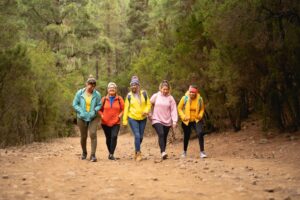
- Community Movement: Join walking groups, volunteer, or participate in community fitness classes to combine movement with social interaction.
- Intergenerational Bonding: Spending time with younger generations provides a sense of purpose and keeps your perspective fresh.
- Combating Isolation: Isolation is a significant risk factor for cognitive decline and heart disease. Make “social fitness” a priority by scheduling regular coffee dates or club meetings.
8. Hormonal Health and HRT: A Modern Perspective
For years, Hormone Replacement Therapy (HRT) was shrouded in controversy. However, modern research, such as the updated findings from the North American Menopause Society (NAMS), suggests that for many women, the benefits of HRT for bone health, heart health, and quality of life far outweigh the risks when started near the onset of menopause.
- Individualized Care: Every woman’s hormonal profile is different. Consulting with a longevity-informed practitioner can help you determine if hormonal support is a piece of your active aging puzzle.
- Symptoms Beyond Hot Flashes: Hormones affect mood, joint pain, and metabolic health. Don’t ignore these “silent” indicators of hormonal shifts.
9. Creating Your “Active Aging” Blueprint
To turn this guide into action, start with these four steps:
- Audit Your Movement: Are you lifting weights twice a week? If not, start there.
- Check Your Protein: Track your intake for three days to see if you’re hitting your targets.
- Schedule Your “Maintenance”: Just as you service a car, schedule your bone density scans (DEXA), blood work, and screenings.
- Find Your Community: Connect with other women who value vitality and strength.
Conclusion
Active aging is a defiant, joyful act. It is the refusal to accept a “slow fade” and the commitment to showing up for yourself with the same energy you’ve given to your career, your family, and your community for decades. By focusing on strength, nutrition, and connection, you aren’t just adding years to your life, you are adding life to your years.
The best time to start was ten years ago. The second-best time is today.