

There’s a certain kind of glow that can’t be faked.
It’s not the result of a product, a filter, or a perfectly curated routine.
It’s the kind of radiance that comes from within, the kind that builds slowly, gently, and consistently through the way you move, nourish, and care for your body.
Fitness isn’t just about strength or endurance. It’s about circulation, energy, emotional clarity, and the quiet confidence that comes from showing up for yourself. When movement becomes a lifestyle — not a punishment, not a trend — your body responds with a glow that feels lived‑in and deeply earned.
This guide explores the synergy between movement and radiance, and how fitness supports your skin, your mood, and your long‑term well‑being.
Inside This Guide
The Glow Begins Beneath the Surface: Circulation + Skin Health
Radiance starts with blood flow. When you move, your heart pumps more oxygen‑rich blood throughout your body, including your skin. This increased circulation delivers nutrients, supports collagen production, and helps your complexion look brighter and more awake.
Movement also supports your lymphatic system, which relies on physical activity to move fluid. Gentle exercise helps reduce puffiness and supports detoxification.
Oxygenation: The Breath–Glow Connection
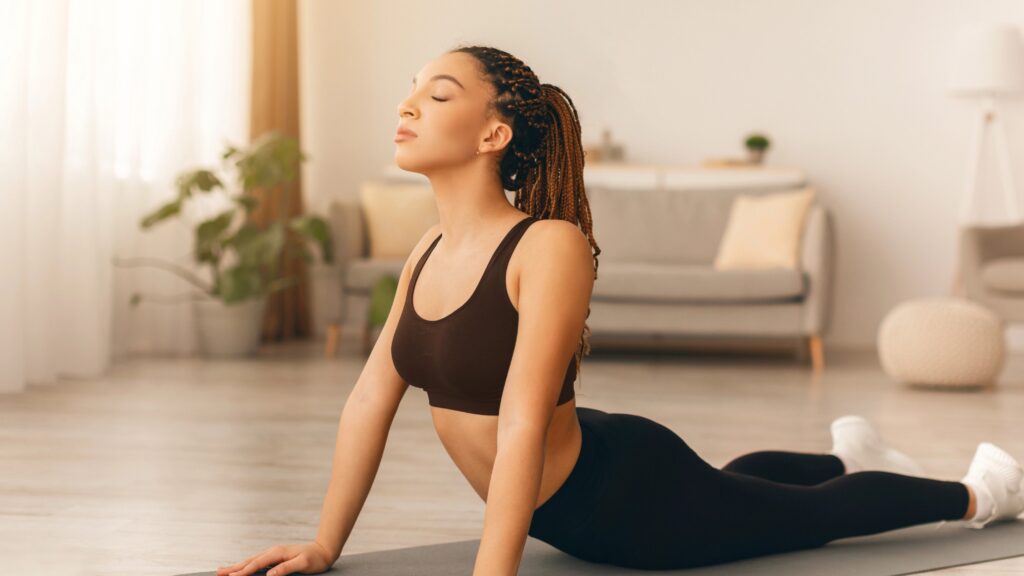
When you exercise, your breathing deepens. This increased oxygen intake supports cellular repair and gives your skin that post‑movement flush people often describe as “the glow.”
Oxygen also plays a role in:
- collagen synthesis
- wound healing
- reducing dullness
- supporting overall skin vitality
Even low‑intensity movement, like Pilates, yoga, or brisk walking increases oxygen flow enough to make a visible difference.
Stress Reduction: The Nervous System’s Role in Radiance
Stress is one of the fastest ways to dull your glow. Elevated cortisol can lead to:
- inflammation
- breakouts
- redness
- dryness
- slower skin repair
Movement is one of the most effective ways to regulate your nervous system — not through intensity, but through consistency.
Gentle, sustainable fitness:
- lowers cortisol
- increases serotonin
- supports emotional resilience
- helps your body shift out of fight‑or‑flight
According to Mayo Clinic, movement is one of the most effective ways to regulate stress and support emotional resilience.
Types of Movement That Support Radiance
Strength Training
Supports circulation, hormonal balance, and lean muscle giving the skin a lifted, firm appearance.
Low-Impact Cardio
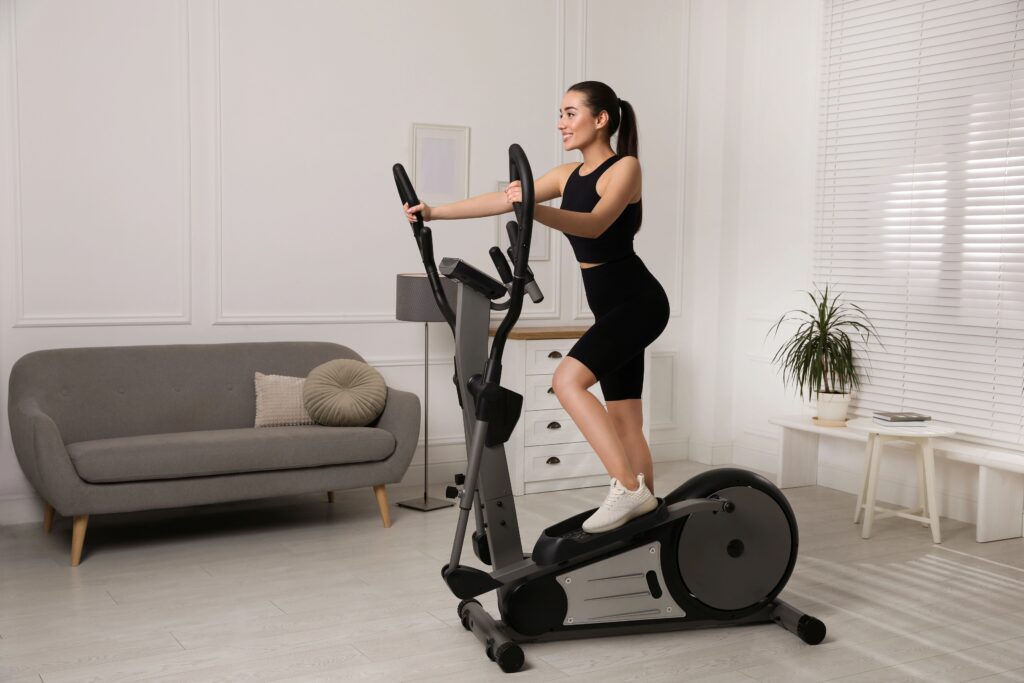
Walking, cycling, swimming, and elliptical workouts support heart health and oxygenation without overstressing the body.
Yoga + Pilates
These practices support flexibility, posture, lymphatic flow, breathwork, and stress reduction.
High-Intensity Training (in moderation)
HIIT can boost circulation and metabolism, but too much intensity may increase cortisol.
Outdoor Movement
Sunlight (in safe doses), fresh air, and nature exposure support mood and circadian rhythm.
Nutrition: Fueling Your Glow From Within
Movement and nutrition work together. You can’t glow if you’re undernourished, dehydrated, or skipping meals.
Glow-supporting nutrients include:
- Healthy fats (avocado, olive oil, salmon)
- Antioxidants (berries, leafy greens, citrus)
- Protein for collagen and tissue repair
- Hydration for elasticity and plumpness
Mental Well-Being: The Emotional Glow
Radiance isn’t just physical — it’s emotional.
Movement supports:
- mental clarity
- emotional regulation
- confidence
- self-trust
- resilience
This emotional steadiness shows up on your face — in your posture, your eyes, your energy.
Sleep: The Quiet Foundation of Radiance
During deep sleep, your body:
- repairs skin cells
- balances hormones
- reduces inflammation
- restores hydration levels
Movement helps regulate your circadian rhythm, making it easier to fall asleep and stay asleep.
Hydration: The Simplest Glow Habit
Hydration supports:
- elasticity
- plumpness
- detoxification
- circulation
Movement increases your hydration needs, especially if you sweat.
Movement Through Seasons of Life
Your glow will look different in different seasons, and that’s a good thing.
High-energy seasons:
Strength training, longer walks, structured routines.
Slower seasons:
Gentle stretching, restorative yoga, short walks.
Healing seasons:
Mobility work, breathwork, somatic grounding, low-intensity strength. Your glow doesn’t disappear — it shifts.
Research from the National Institute on Aging shows how regular movement supports brain health and long-term cognitive vitality.
Building a Glow Ritual That Feels Good
1. Choose movement that feels good today
Not what you “should” do.
2. Pair movement with nourishment
Support recovery and radiance.
3. Add a grounding practice
Breathwork, stretching, or stillness.
4. Protect your sleep
Your glow depends on it.
5. Hydrate consistently
Small sips throughout the day > one big chug.
Final Thoughts on Fitness and Radiance
Radiance isn’t a finish line.
It’s a reflection of how you care for yourself gently, consistently, and with compassion.
When movement becomes a lifestyle rooted in nourishment rather than pressure, your glow becomes something deeper than appearance. It becomes a feeling, a sense of vitality, steadiness, and inner brightness that follows you into every part of your life.
Your glow is not something you chase.
It’s something you cultivate.
You may still have a few questions, so here are a few simple answers to help bring everything together.
Disclaimer: This content is for educational purposes only and is not intended as medical or dermatological advice. Individual needs and responses can vary, so consider speaking with a qualified healthcare provider if you have specific concerns about your skin, exercise routine, or overall health.
Frequently Asked Questions
Can exercise really improve skin glow?
Yes — regular movement can support a healthier, more radiant complexion by increasing circulation, delivering oxygen and nutrients to the skin, and helping regulate stress and sleep. That visible post-workout glow is often tied to improved blood flow, and over time, consistent exercise may also support skin hydration and overall skin function.
What type of exercise is best for radiant skin?
The best exercise is the kind you can do consistently. Walking, strength training, yoga, Pilates, and low-impact cardio can all support radiance by improving circulation, reducing stress, and supporting better sleep. A balanced routine often works best, especially when it feels sustainable for your body and your current season of life.
Can too much exercise make skin worse?
It can. Intense training without enough recovery, hydration, sleep, or post-workout cleansing may contribute to irritation, breakouts, or a stressed appearance. More is not always better. Gentle consistency, proper recovery, and supportive skincare usually do more for long-term radiance than pushing your body beyond what it can sustain.
How long does it take to notice a glow from movement?
You may notice a temporary post-workout glow right away because of increased blood flow. Deeper, more lasting changes often come with consistency over time. When movement is paired with hydration, nourishment, rest, and stress support, the results tend to feel steadier and more sustainable.
Is walking enough to support radiance?
Absolutely. Walking supports circulation, stress regulation, lymphatic flow, and overall well-being, all of which can contribute to a brighter, more grounded kind of glow. It may seem simple, but simple habits practiced consistently are often the most powerful.