

Women who age well know that aging isn’t about looking younger than your age. It’s about maintaining energy, strength, confidence, cognitive sharpness, and physical independence for decades.
Yet many women enter their 40s, 50s, and beyond believing that fatigue, weight gain, declining skin quality, brain fog, and loss of vitality are simply unavoidable consequences of getting older.
The truth is more encouraging.
Research in longevity, metabolic health, nutrition, and healthy aging continues to show that daily habits have a profound impact on how we age. While genetics play a role, lifestyle factors often determine whether those genes work for us or against us.
The women who age exceptionally well are rarely relying on a secret supplement or miracle product. Instead, they consistently practice a set of foundational habits that support their bodies at the cellular level. If you’re looking for a realistic and sustainable approach to healthy aging, these seven daily habits can help you build a stronger body, sharper mind, healthier skin, and a more vibrant future.
What We’ll Cover
Why Some Women Age Better Than Others
What separates women who remain active and energetic in their 70s and 80s from those who struggle with declining health?
It’s rarely luck.
Women who age well tend to prioritize:
- Muscle preservation
- Nutrient-dense nutrition
- Sleep quality
- Stress management
- Consistent movement
- Healthy relationships
- Purpose-driven living
These habits work together to reduce inflammation, support hormone health, protect the brain, maintain bone density, and improve metabolic function.
Think of healthy aging as compound interest. Small daily actions create enormous long-term returns.
1. They Prioritize Muscle Over Weight Loss
For decades, women were taught to obsess over the number on the scale.
Women who age well focus on something far more important: maintaining muscle, often the most overlooked longevity habit of all.
After age 30, adults naturally begin losing muscle mass, a process known as sarcopenia. This accelerates during and after menopause when estrogen levels decline.
Loss of muscle doesn’t just affect appearance. It impacts:
- Metabolic health
- Bone density
- Blood sugar regulation
- Balance
- Strength
- Mobility
- Longevity
Why Muscle Is the Currency of Healthy Aging
Muscle tissue acts as a protective organ.
Women with more lean muscle generally experience:
- Better insulin sensitivity
- Lower risk of falls
- Improved posture
- Greater energy levels
- More efficient metabolism

Daily Habit
Aim for some form of resistance training most days of the week:
- Dumbbells
- Resistance bands
- Bodyweight exercises
- Pilates
- Strength-training classes
You don’t need to become a powerlifter. Consistency matters more than intensity.
Longevity Goal: Strength train at least 2–4 times per week and stay physically active daily.
2. They Follow a “Protein First” Nutrition Strategy
One of the biggest nutritional mistakes many women make as they age is under-consuming protein.
As we grow older, the body becomes less efficient at using dietary protein for muscle maintenance, a phenomenon known as anabolic resistance.
This means aging women often need more protein, not less. As nutritional needs evolve with age, a protein-first approach becomes one of the simplest ways to maintain strength, satiety, and metabolic health.
Benefits of Adequate Protein
Protein helps:
- Maintain muscle mass
- Improve satiety
- Stabilize blood sugar
- Support hormone production
- Promote healthy skin and tissues
- Aid recovery
What Aging Well Looks Like
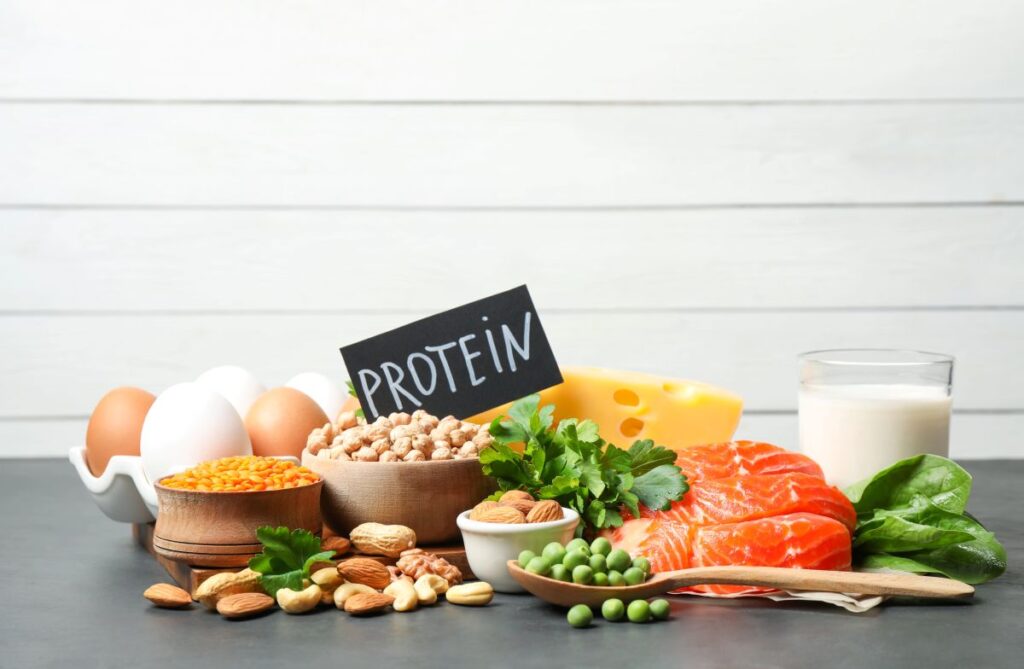
Women who age successfully often build their meals around protein before adding carbohydrates and fats.
Examples include:
- Eggs and Greek yogurt at breakfast
- Chicken or salmon salads at lunch
- Lean protein with vegetables at dinner
- Protein-rich snacks when needed
Daily Habit
Target approximately 25–35 grams of protein per meal, adjusted for your body size and activity level.
Pro Tip: Start your day with protein rather than sugary cereals or pastries to avoid energy crashes later.
3. They Protect Their Sleep Like a Non-Negotiable Appointment
Sleep is arguably the most underrated anti-aging tool available.
During deep sleep, the body performs critical restoration processes that affect:
- Brain health
- Hormonal balance
- Memory
- Immune function
- Skin repair
- Stress resilience
Poor sleep has been associated with accelerated aging, increased inflammation, insulin resistance, and cognitive decline.
Daily Sleep Habits of Women Who Age Well
Get Morning Sunlight
Natural sunlight shortly after waking helps regulate circadian rhythms and the link between morning light and deeper sleep is stronger than most people realize.
Create a Digital Sunset
Reduce screen exposure 60–90 minutes before bed to support natural melatonin production.
Maintain a Cool Bedroom
A cooler sleeping environment promotes deeper and more restorative sleep.
Keep a Consistent Schedule
Going to bed and waking at roughly the same time every day helps synchronize your body’s internal clock.
Daily Habit
Strive for 7–9 hours of quality sleep consistently.
Remember: You can’t supplement your way out of chronic sleep deprivation.
4. They Make Zone 2 Exercise a Lifestyle
Many people think they need punishing workouts to stay healthy.
Women who age exceptionally well understand the value of sustainable cardio.
One of the most effective forms of exercise for longevity is Zone 2 training — a quiet, unglamorous habit that supports long-term vitality far more than high-intensity workouts get credit for.
What Is Zone 2 Cardio?
Zone 2 is typically an intensity level where:
- Your breathing increases
- You can still hold a conversation
- Your heart rate remains moderately elevated
Examples include:
- Brisk walking
- Cycling
- Hiking
- Rowing
- Swimming

Why It Matters
Zone 2 exercise improves:
- Mitochondrial function
- Cardiovascular health
- Fat metabolism
- Energy production
- Endurance
Healthy mitochondria are essential because they power virtually every process in the body.
Daily Habit
Aim for at least 30 minutes of moderate movement most days.
A brisk daily walk may be one of the most powerful anti-aging investments you can make.
5. They Nourish Their Skin and Cells From the Inside Out
The healthiest-looking skin often reflects what’s happening beneath the surface.
Women who age well understand that skincare begins with cellular health.
Focus on Nutrient Density
Instead of counting calories, many women prioritize nutrient density and choose foods that nourish both your skin and your cells from the inside out.
Key anti-aging foods include:
- Leafy greens
- Berries
- Colorful vegetables
- Fatty fish
- Nuts and seeds
- Olive oil
These foods provide antioxidants and phytonutrients that help combat oxidative stress.
Hydration Matters More Than Most People Think
Even mild dehydration can affect:
- Energy
- Mental clarity
- Skin appearance
- Digestion
- Exercise performance
Daily Habit
Drink water consistently throughout the day and consume a variety of colorful plant foods.
An easy goal is to “eat the rainbow” daily.
6. They Practice Daily Stress Recovery
Aging isn’t caused only by time.
It’s also influenced by chronic stress.
Persistent elevation of stress hormones can contribute to:
- Increased inflammation
- Poor sleep
- Weight gain
- Digestive issues
- Accelerated biological aging
The healthiest women don’t necessarily experience less stress; they’re just better at calming an overstimulated nervous system before chronic tension takes hold.
They simply recover from it more effectively.
Stress-Reduction Strategies That Actually Work
- Breathwork
- Meditation
- Prayer
- Journaling
- Walking outdoors
- Gardening
- Yoga
- Creative hobbies

The Goal
Move the body out of chronic “fight-or-flight” mode and into a state of recovery.
Daily Habit
Spend at least 5–10 minutes intentionally calming your nervous system.
Small moments of recovery have a cumulative impact.
7. They Cultivate Purpose, Connection, and Curiosity
One of the most consistent findings in longevity research is the importance of meaningful relationships.
Health isn’t purely physical.
Emotional and social well-being significantly influence longevity.
Women Who Age Well Typically:
- Maintain close friendships
- Build community
- Continue learning
- Stay curious
- Volunteer
- Mentor others
- Invest in family relationships
The Power of Purpose
Having a reason to get up each morning motivates healthier choices across every area of life.
Purpose improves resilience — and increasingly, longevity research suggests emotional resilience matters more than perfect habits.
Daily Habit
Connect with another person and engage in an activity that contributes to a larger purpose.
Even a short conversation can positively impact well-being.
What Leading Longevity Experts Are Saying About Aging Well
At the Biohackers World Conference in New York, we heard from physicians, researchers, and longevity practitioners whose work spans nitric oxide biology, functional medicine, brain training, regenerative medicine, skin health, and human performance. Rather than presenting these voices as broad inspiration, this section connects each expert’s stated area of expertise to the specific healthy-aging recommendations in this guide.
For readers, the value is in the connection: each expert’s background helps explain why their perspective is relevant, how it supports the habits discussed here, and where readers can look for additional context before applying health-related advice to their own lives.
Taken together, the experts point to a consistent principle: healthy aging is not built through occasional heroic interventions, but through repeated daily behaviors that support circulation, metabolism, brain function, recovery, resilience, and cellular repair.
Author Experience Note:
As part of the research for this article, I attended the Biohackers World Conference & Expo in New York, where I listened to presentations from physicians, researchers, and longevity professionals featured in this section. Hearing these experts discuss healthy aging, preventive health, brain optimization, regenerative medicine, and human performance firsthand provided valuable context for evaluating the lifestyle habits discussed throughout this guide. The expert insights included here are intended to complement, not replace—the scientific research and practical recommendations presented in the article.
Editorial Note:
The experts featured in this section were selected because their work relates to topics discussed in this article, including longevity, preventive health, brain health, regenerative medicine, and healthy aging. References to individual experts are provided for educational and informational purposes and should not be interpreted as endorsements of any specific product, treatment, clinic, or service. Readers should consult qualified healthcare professionals before making significant health or medical decisions.
Dr. Nathan Bryan: Nitric Oxide May Be the Missing Link in Healthy Aging
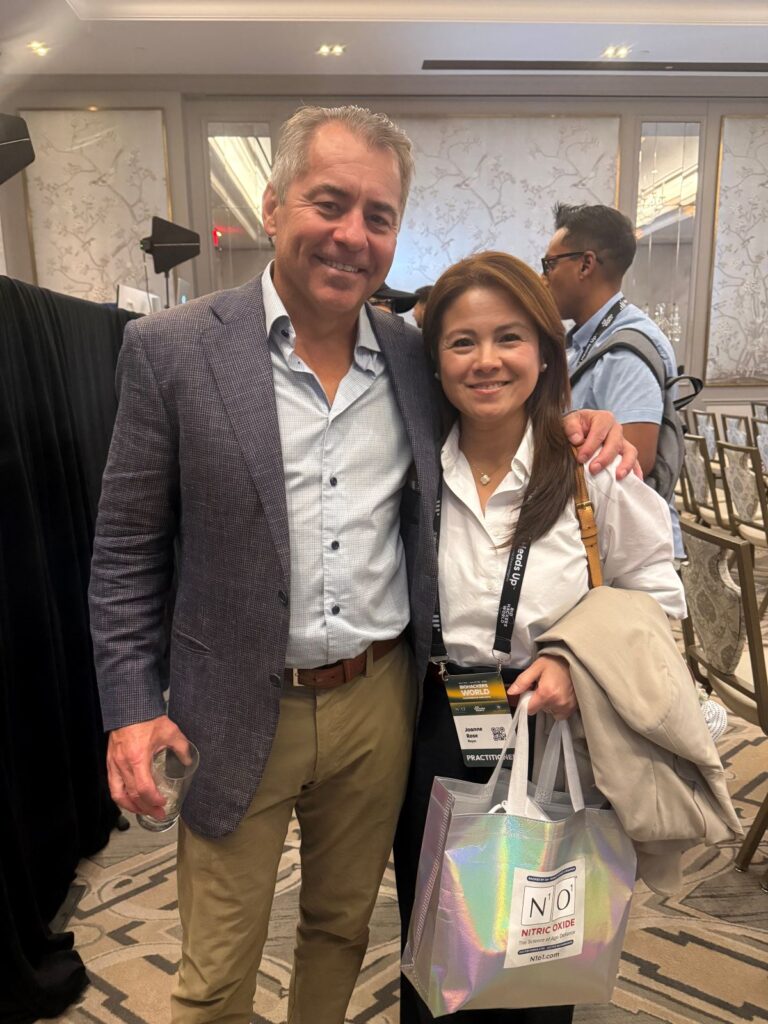
Nitric oxide researcher Dr. Nathan S. Bryan, PhD, is an internationally recognized leader in molecular medicine and nitric oxide biochemistry. His official biography notes more than 3 decades of nitric oxide research, a PhD from Louisiana State University School of Medicine, post-doctoral training at Boston University School of Medicine’s Whitaker Cardiovascular Institute, and faculty recruitment to the University of Texas Health Science Center at Houston by Nobel Laureate Ferid Murad, MD, PhD.
That background matters because Dr. Bryan’s core message is not a vague “anti-aging” claim; it is tied to vascular biology. He argues that nitric oxide supports blood-vessel function, oxygen and nutrient delivery, and cellular communication, while age, oxidative stress, poor diet, inactivity, and other lifestyle factors can reduce nitric oxide production.
This gives stronger context for the recommendations in this article: daily movement, leafy-green-rich nutrition, sleep, oral hygiene, and stress management are not isolated wellness tips; they are practical ways to support the same nitric oxide pathways Dr. Bryan emphasizes in his work.
- Daily movement
- Proper nutrition
- Sleep
- Stress management
- Skin health
As we age, supporting the body’s natural nitric oxide pathways becomes increasingly important.
Official website: https://drnathansbryan.com/nitric-oxide-science/
Mark Atkinson: The Future of Longevity Is Human Optimization
Dr. Mark Atkinson, MBBS, FRSPH, is a medical doctor, integrative medicine consultant, functional medicine practitioner, accredited master coach, and author whose official biography describes more than 25 years working at the intersection of healthspan science, human performance, psychological wellbeing, and leadership development.
His perspective strengthens Habit #7 because it frames longevity as more than biological survival. Atkinson’s work connects health optimization with emotional resilience, purpose, nervous-system regulation, and meaningful personal development, the same qualities that help healthy-aging habits become sustainable over decades.
Women who age exceptionally well focus not only on physical health but on maintaining purpose, curiosity, personal growth, and meaningful relationships.
Official website: https://drmarkatkinson.com/about/
Patrick K. Porter, PhD: Brain Health Must Be Protected Daily
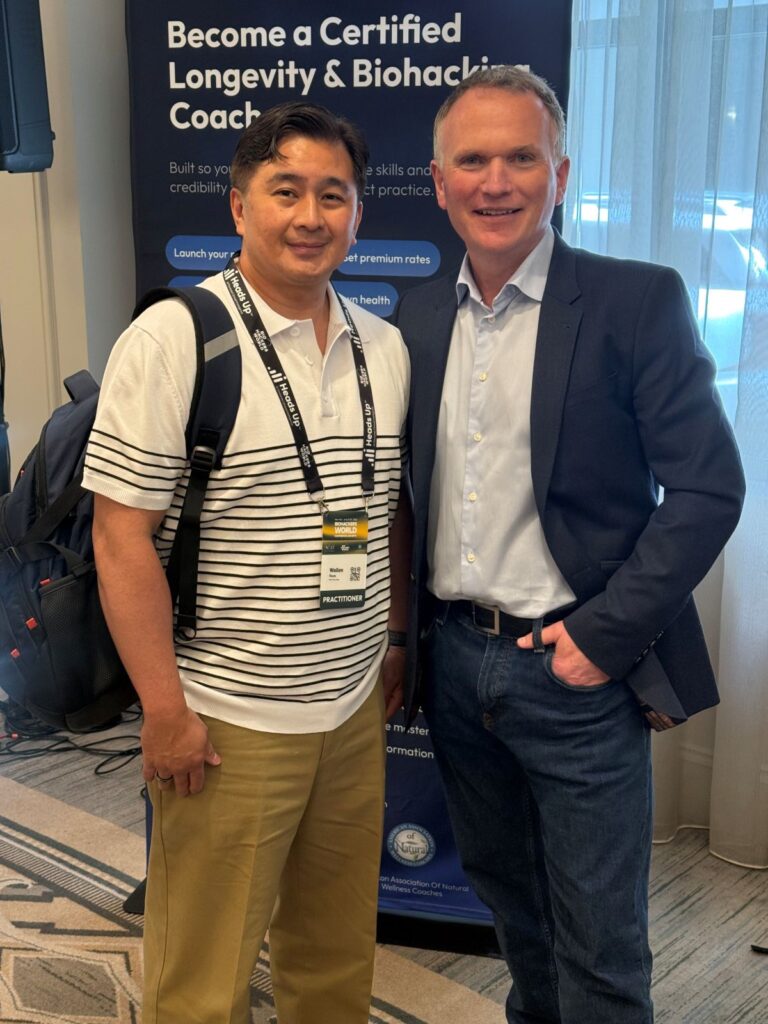
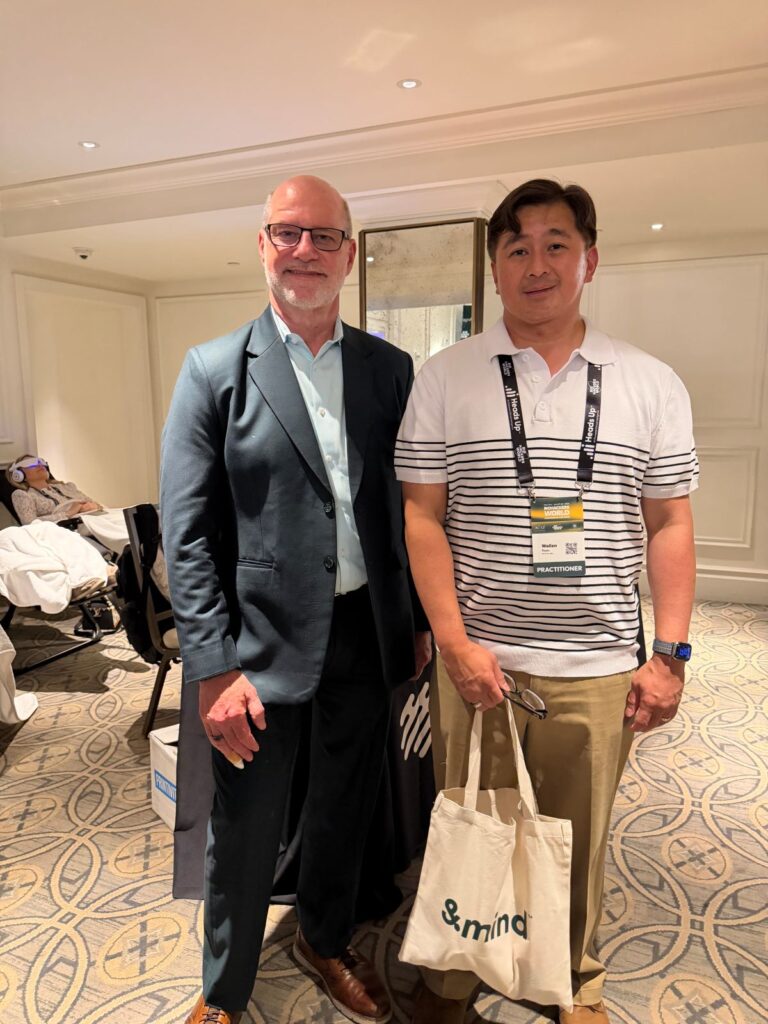
BrainTap founder Patrick K. Porter, PhD, who earned his doctorate in Psychology of Christian Counseling from Louisiana Baptist University, is an author, educator, entrepreneur, and speaker whose official biography describes more than three decades working with brainwave-entrainment technology and brain-training tools.
His expertise gives practical weight to the article’s brain-health recommendations. Sleep quality, stress reduction, breathwork, meditation, learning, and social engagement are not merely lifestyle “extras”; they are the daily inputs that help protect cognitive performance and support long-term brain resilience.
Healthy-aging practices that support brain function include:
- Deep sleep
- Stress reduction
- Breathwork
- Meditation
- Learning new skills
- Social engagement
His perspective reinforces the idea that cognitive longevity is not accidental—it is trained.
Official website: https://drpatrickporter.com/
Dr. John-Paul Andersen: Brain Health Depends on Day-and-Night Support
John-Paul Andersen, PhD, founder of &Mind, is a pharmacologist and formulation scientist whose research background includes physiology, pharmacology, mitochondrial function, and cellular metabolism.
His perspective aligns with several habits discussed in this article, particularly sleep quality, stress management, nutrition, and lifelong learning. By emphasizing both daytime cognitive performance and nighttime recovery, Andersen reinforces a key healthy-aging principle: a resilient brain depends on consistent daily habits, not occasional interventions.
Official website: https://andmind.com/pages/about
Dr. Edward Park: Longevity Medicine Is Becoming Preventive Medicine
Edward Park, MD, MPH, founder of Recharge Biomedical, earned his MD and MPH from Columbia University and completed internship and residency training at Beth Israel Hospital, a Harvard Medical School teaching hospital. His practice focuses on anti-aging and regenerative medicine, including telomere and exosome education.
Park’s authority supports the prevention-first framing of this guide. The habits below help readers focus upstream—on metabolic health, inflammation management, sleep, recovery, and cardiovascular resilience—before dysfunction becomes harder to reverse.
- Metabolic health
- Hormone balance
- Inflammation management
- Cellular resilience
- Cardiovascular health
The future of healthy aging is increasingly focused on prevention rather than reaction.
Official website: https://www.rechargebiomedical.com/about-us/
Sireen Gopal: Beauty, Skin Health, and Longevity Are Connected
The beauty industry is beginning to shift away from simply masking signs of aging toward supporting the biology of aging itself. Sireen Gopal, MD, founder of Vitality Medicine of New York, is described by Biohackers World as a quadruple board-certified physician with more than 20 years of clinical experience across physical medicine and rehabilitation, pain medicine, neuromuscular medicine, and anti-aging and regenerative medicine.
That clinical background helps connect skin health to the broader recommendations in this article. Gopal’s longevity framework emphasizes reducing cellular inflammation and optimizing mitochondrial health, which aligns with habits such as nutrient-dense eating, exercise, sleep, stress control, and recovery-focused routines.
This aligns with a central principle of longevity:
Healthy skin is often a reflection of healthy cells.
Official profile: https://www.biohackers.world/speakers/dr-sireen-gopal
In practical terms, the experts strengthen the same core conclusion: healthy aging becomes more credible, sustainable, and actionable when recommendations are grounded in identifiable expertise and translated into daily habits readers can apply consistently.
The Synergy of Daily Choice
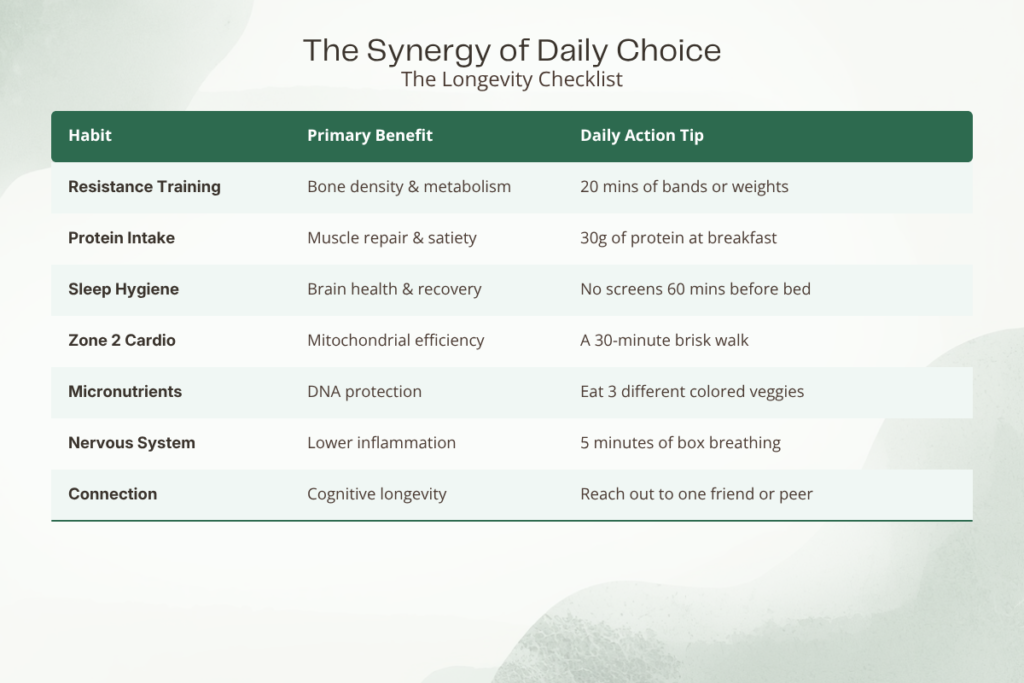
The beauty of these seven habits is that they are synergistic. When you eat more protein, you have more energy to lift weights. When you lift weights, you sleep better. When you sleep better, your cortisol remains balanced, making you more resilient in your social interactions.
Aging is an inevitable chronological process, but senescence—the cellular deterioration we associate with “getting old”—is highly malleable. By adopting these daily rituals, women can shift the narrative from one of decline to one of continuous growth and peak performance.
Frequently Asked Questions
What is the most important habit for healthy aging?
If forced to choose one, strength training may offer the greatest overall return because it supports metabolism, bone density, mobility, and independence. However, long-term health comes from combining multiple healthy habits.
What age should women start focusing on longevity?
The earlier the better. However, research shows that adopting healthier habits in your 40s, 50s, 60s, and beyond can still significantly improve healthspan and quality of life.
Can you reverse signs of aging naturally?
While chronological aging cannot be stopped, many lifestyle factors that contribute to biological aging can be improved through nutrition, exercise, stress management, sleep, and healthy habits.
Why is muscle so important for longevity?
Muscle helps regulate blood sugar, protects mobility, supports metabolism, reduces fall risk, and contributes to overall physical resilience as we age.
Does walking really help with longevity?
Yes. Regular walking supports cardiovascular health, metabolic function, mental health, and healthy aging while placing minimal stress on the body.
What role does skincare play in healthy aging?
Skincare can support skin health and appearance, but the foundation of healthy skin starts with nutrition, hydration, sleep, stress management, and overall wellness.
Do biohacking technologies actually help women age better?
Some technologies may complement a healthy lifestyle, but they should never replace the fundamentals of nutrition, exercise, sleep, stress management, and social connection.
What are the biggest mistakes women make when trying to age well?
Common mistakes include under-eating protein, avoiding strength training, neglecting sleep, chronic dieting, and relying on skincare products without addressing overall health.
Conclusion
Healthy aging isn’t the result of a single breakthrough; it’s the daily practices that support a healthy glow at every age.
It’s the result of repeated daily decisions.
The women who age best are not chasing perfection. They are building consistency.
They prioritize muscle, nourish their bodies with nutrient-dense foods, protect their sleep, move daily, manage stress, support their skin from within, and cultivate meaningful relationships.
The good news is that you don’t need to master all seven habits overnight.
Start with one. Then add another. And another. Years from now, your future self will thank you for every healthy choice you make today.
Call to Action
Ready to create your personal longevity blueprint?
Start by choosing just one of the seven habits you can implement this week. Small actions repeated consistently produce extraordinary results over time.